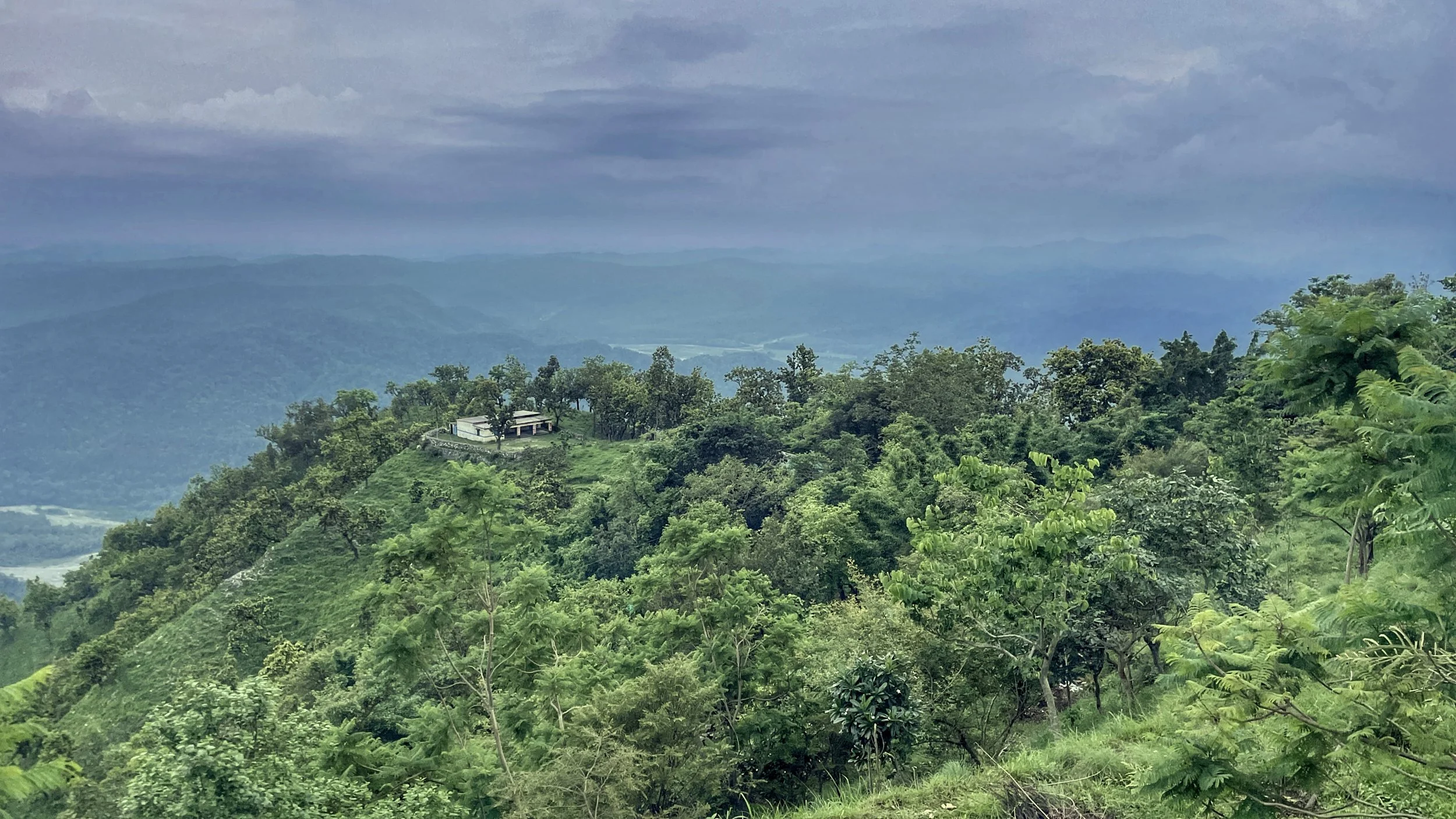
Forest Stay in Uttarakhand, India
India offers a wide spectrum of nature-based accommodation, from mountain resorts to safari camps and river lodges.
For travellers searching specifically for a forest stay in Uttarakhand, India, the experience can range from large hillside hotels to intimate wildlife retreats set within natural woodland. The difference lies in immersion.
A true forest stay is not simply accommodation near trees — it is accommodation within a living ecosystem.
What Defines a True Forest Stay?
A genuine forest stay is not simply accommodation near trees. It is characterised by:
• Proximity to natural forest ecosystems
• Limited construction footprint
• Silence at night
• Birdlife and wildlife movement around the property
• Experiences beyond sightseeing
Many popular destinations in Uttarakhand have grown rapidly, creating dense hospitality clusters. While convenient, they often dilute the sense of wilderness.
If your goal is immersion rather than proximity to markets and cafes, choosing a quieter forested landscape becomes essential.
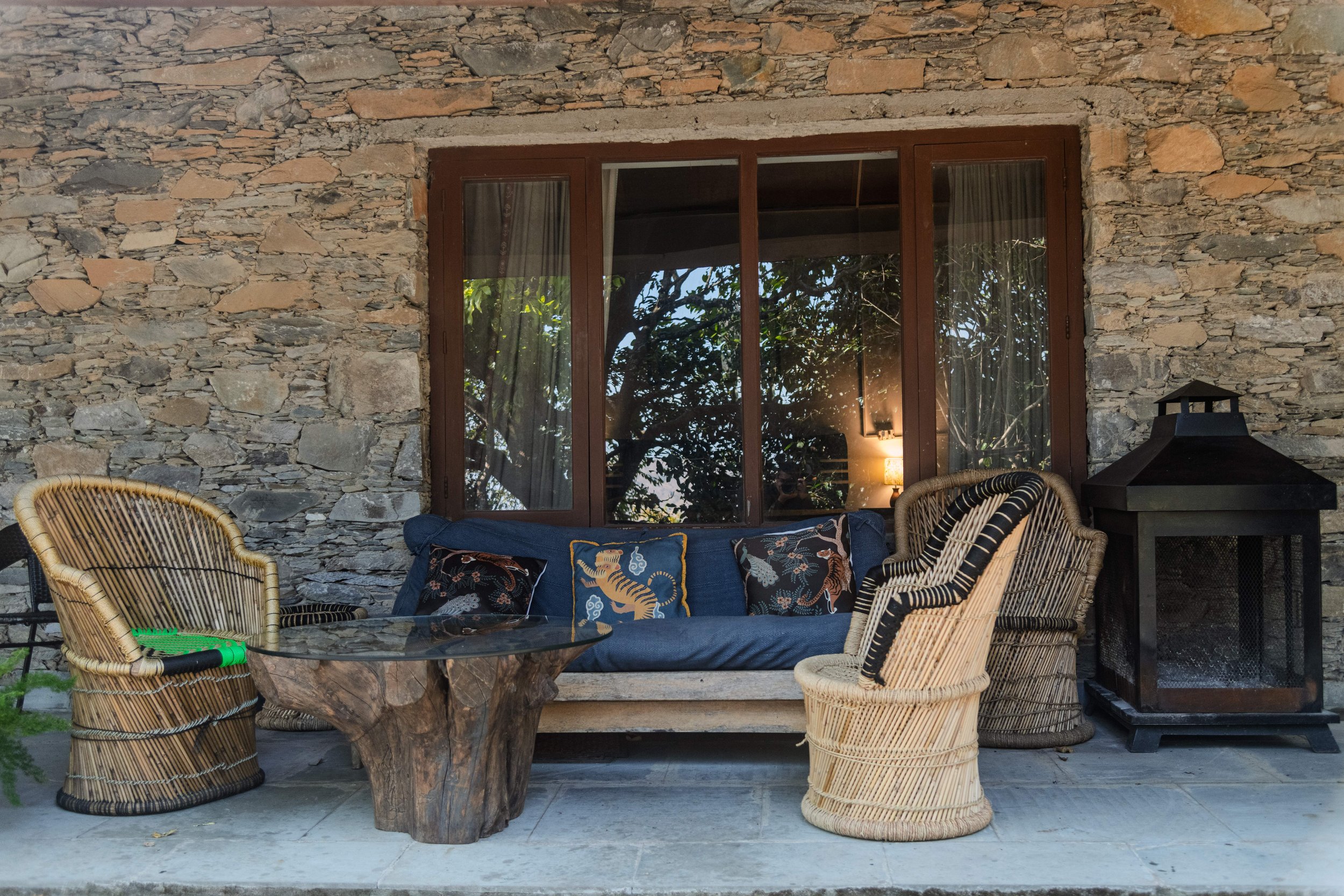
Why Uttarakhand for a Forest Stay?
While many international visitors associate Indian wildlife safaris with central India, for the discerning traveller, Uttarakhand offers a unique combination of:
Himalayan foothill forests
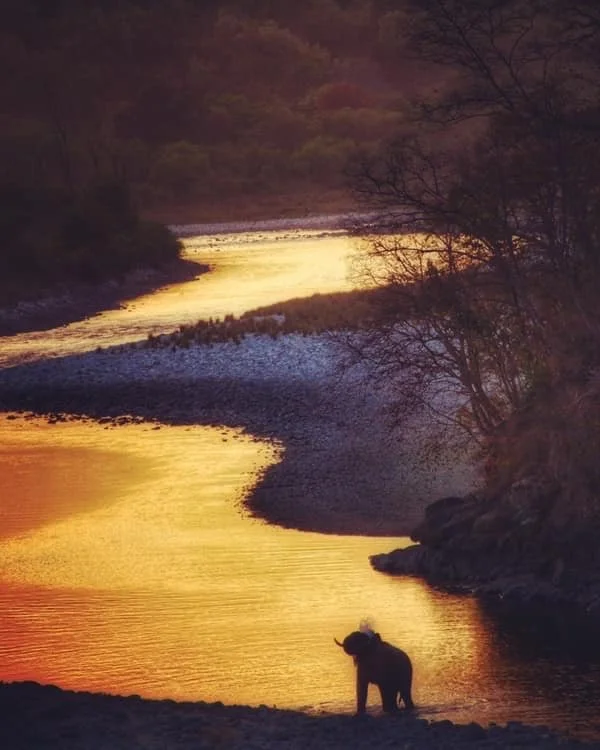
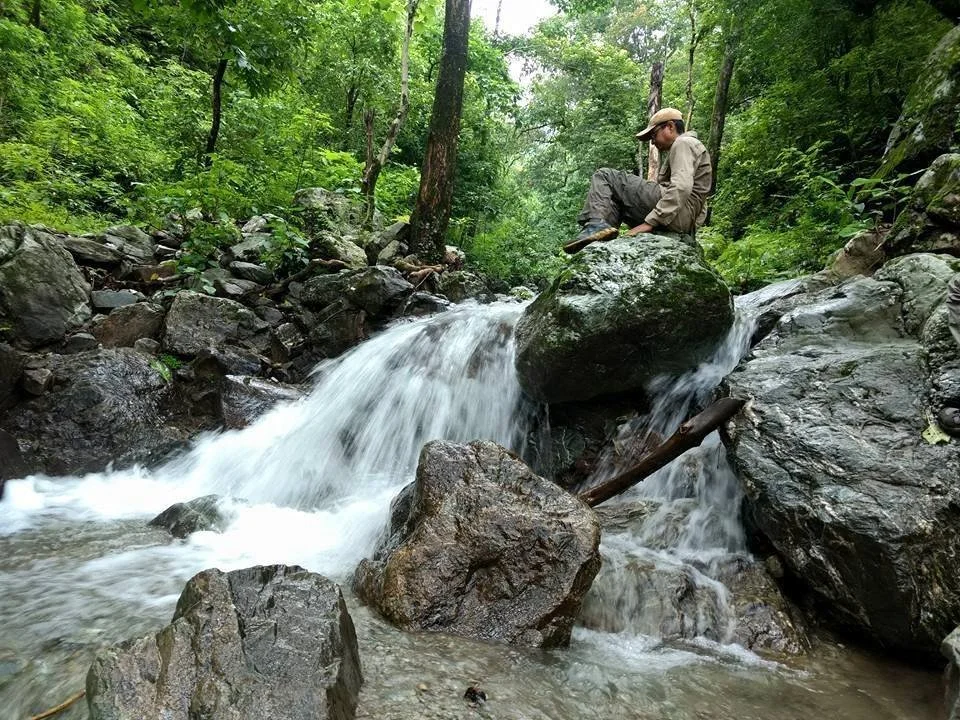
Riverine ecosystems
Spectacular landscapes & photographic opportunities
Exceptional birdlife diversity
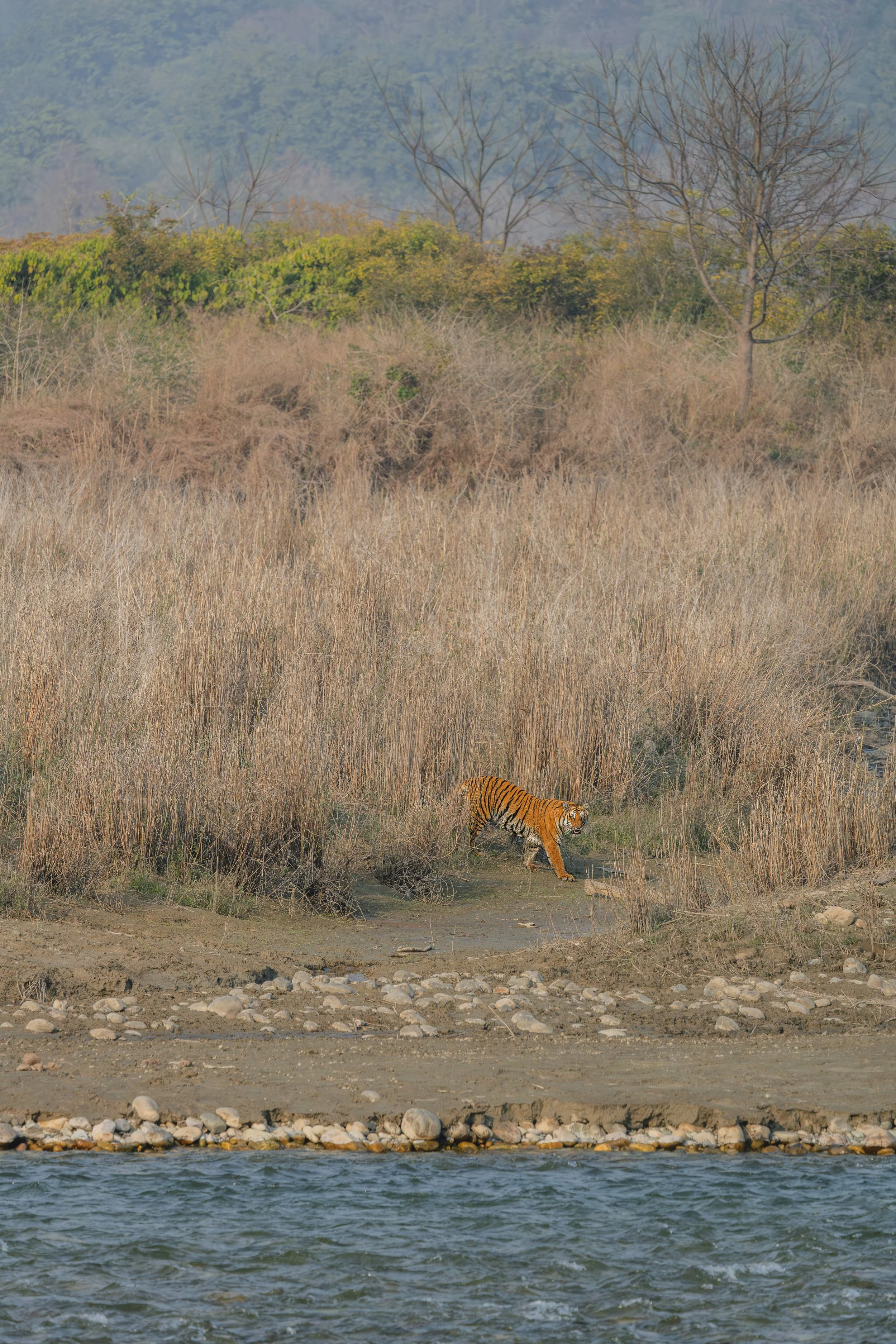
Thriving tiger habitat
Cooler seasonal climate compared to central plains
The region surrounding Jim Corbett National Park is particularly well known for its biodiversity, stunning lanscape and historical conservation legacy.

Where in Uttarakhand Should You Look?
Uttarakhand offers multiple forested regions, including:
The Himalayan foothills
Riverine corridors
Buffer zones around protected areas
Mid-altitude oak and pine forests
Among the most well-known wildlife destinations is Jim Corbett National Park, India’s oldest national park and a major draw for wildlife enthusiasts. However, many travellers now prefer staying in the greater forest landscape surrounding Corbett, rather than within crowded tourist belts.
Forest Retreat vs. Hill Resort
When searching for a forest retreat in Uttarakhand, consider the differences:
Hill Resort
Often located in town or near highways
Designed for scenic views
Larger scale construction
Higher room count
Forest Lodge or Retreat
Set within or bordering woodland
Smaller number of cottages
Emphasis on walking trails and wildlife
Low-impact sustainability focus
If you are looking for a boutique forest lodge in Uttarakhand, scale and setting matter more than star ratings.
Experiences That Define a Forest Stay
A meaningful forest stay in Uttarakhand should offer more than jeep safaris.
Look for:
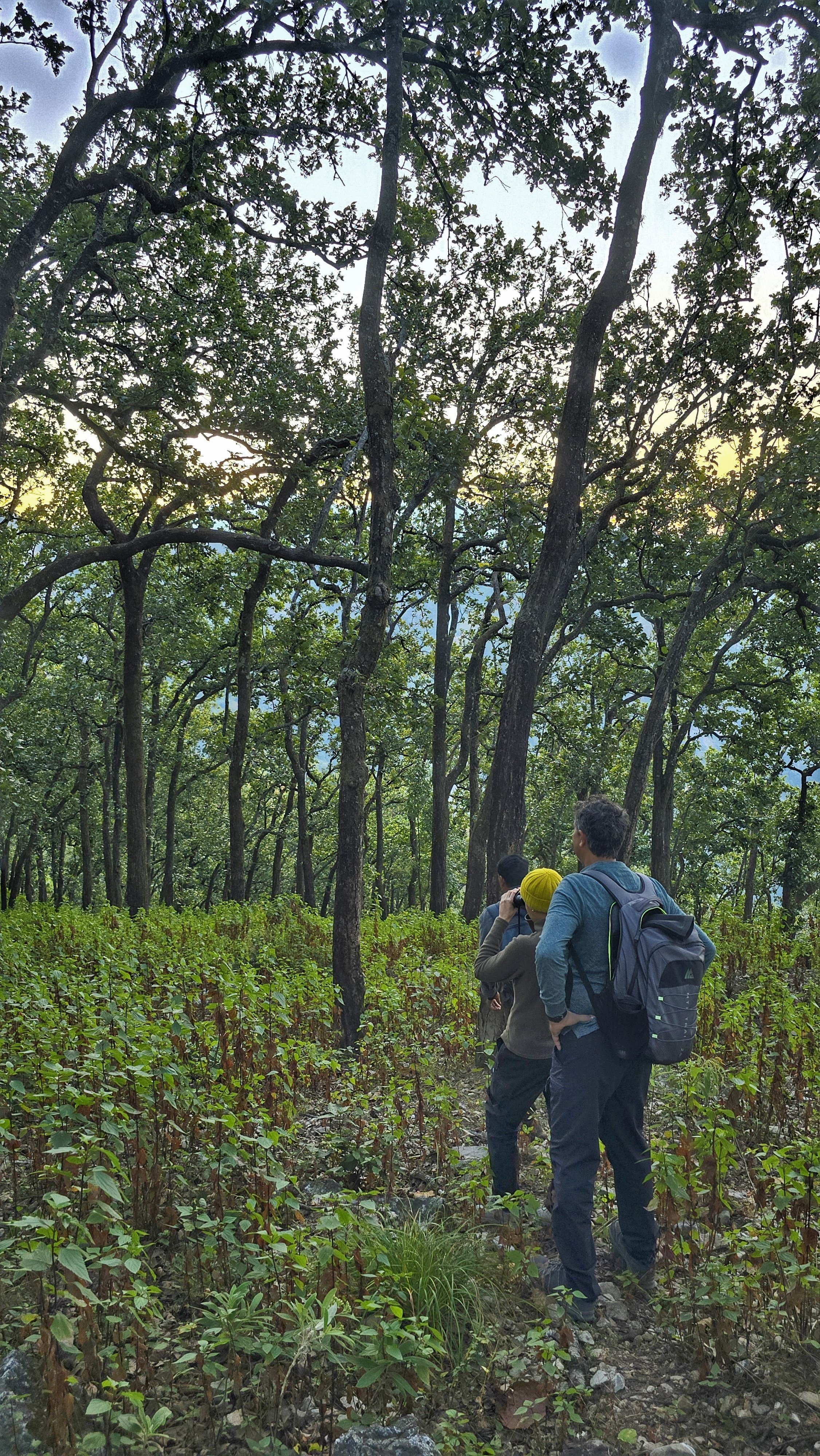
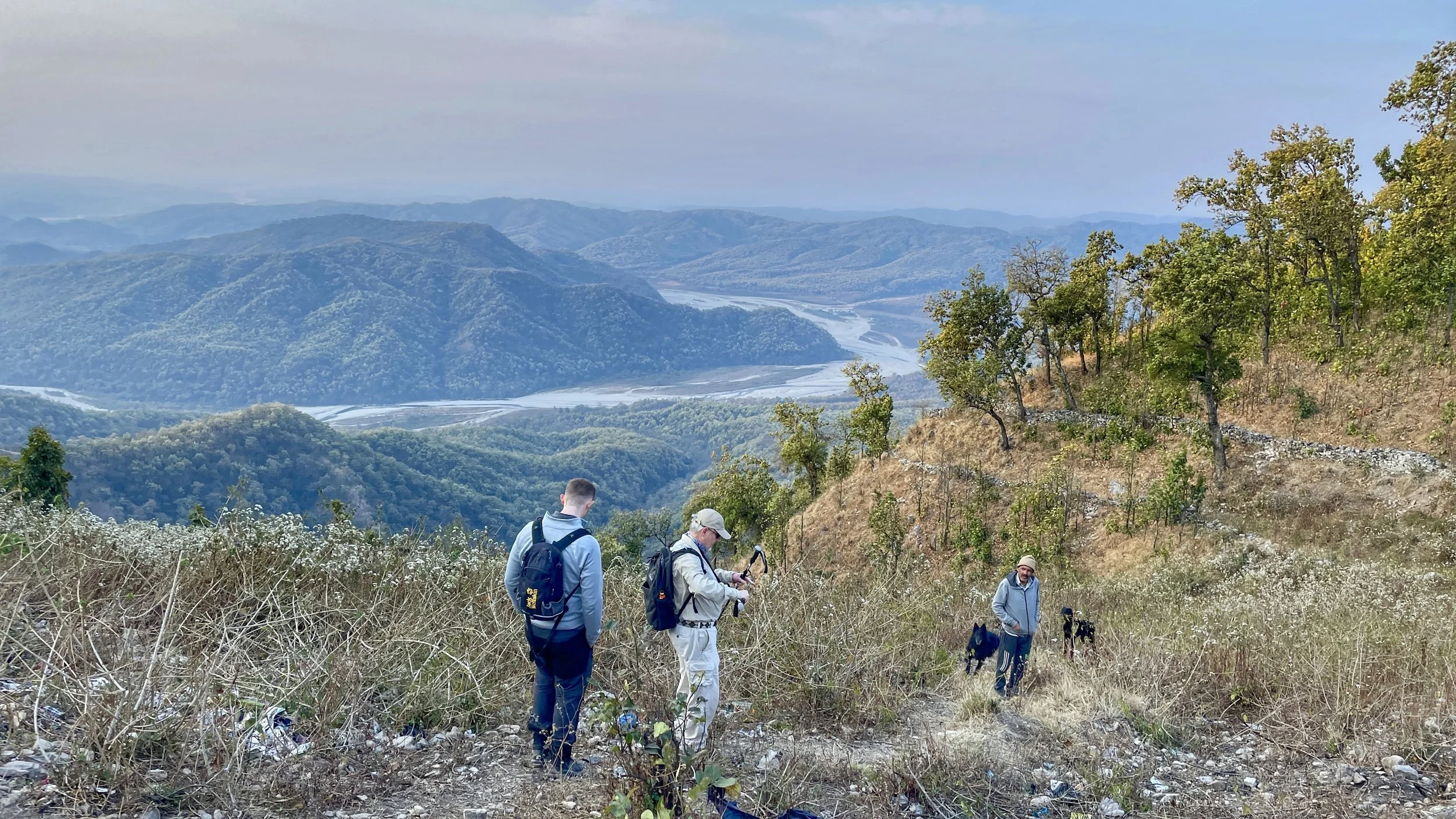
Guided walking safaris
Birdwatching excursions
Naturalist-led interpretation
Seasonal forest cuisine
Open landscapes rather than manicured lawns
In the Corbett landscape, combining safari drives with slower forest exploration and immersion in the lcreates a more complete experience.
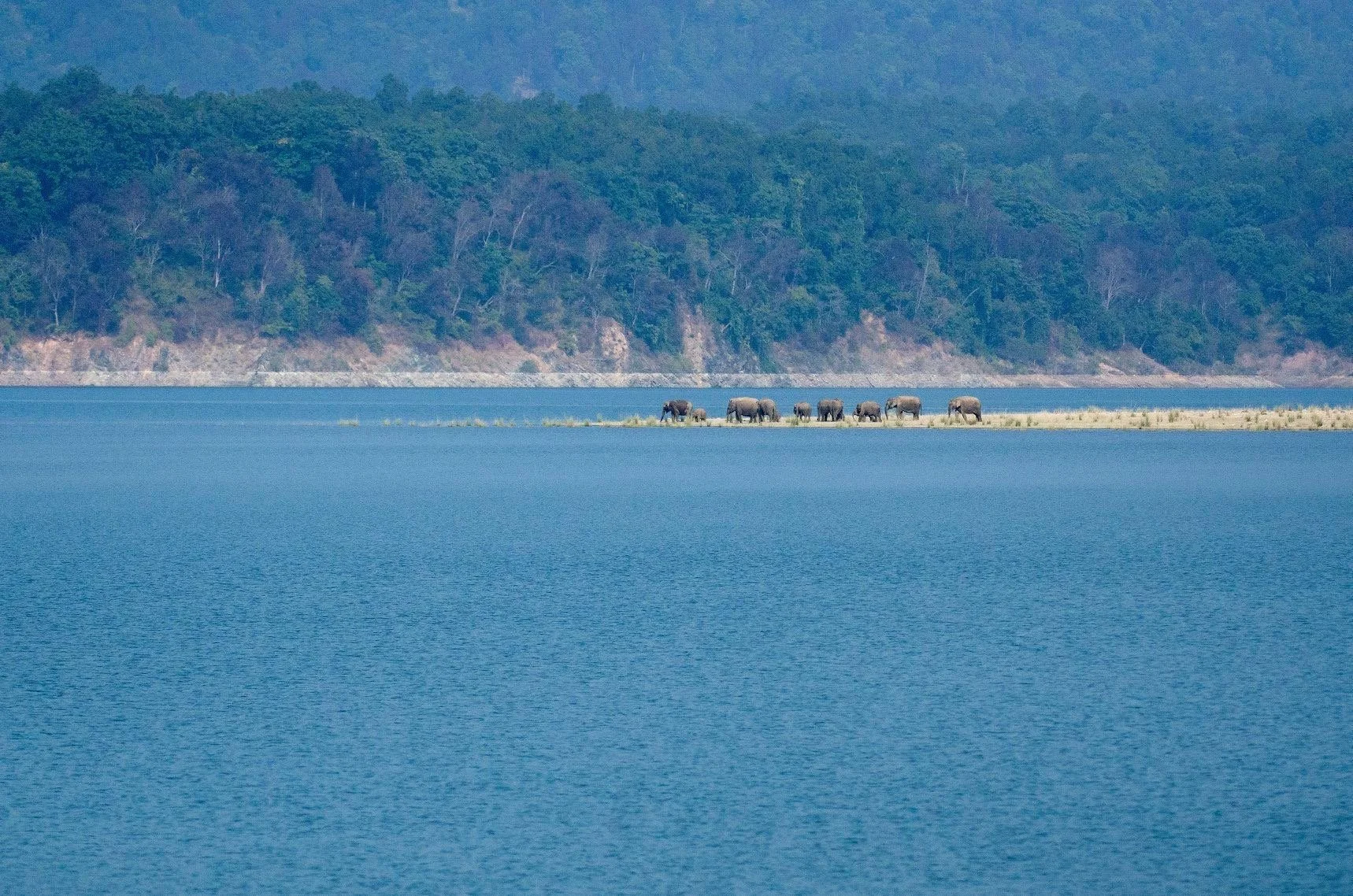
Seasonality & Wildlife Planning
If you are looking to do safaris in any of India’s popular tiger reserves, you should plan well in advance. Safari inventory is limited and there is high demand, so the earlier you decide the better.
Understanding seasonality is critical:
Winter (Nov–Feb): Cool, clear, excellent birding; best light for photography
Summer (Mar–May): Higher wildlife sighting probability but warm-hot
Monsoon (Jul–Sept): Lush landscapes, fewer visitors, many national parks closed
Planning travel around wildlife patterns enhances the entire experience.
Sustainability & Responsible Travel
Global travellers increasingly seek eco-conscious lodges in India. A boutique wildlife lodge should prioritise:
Minimal construction footprint
Local employment
Responsible waste and water management
Integration with surrounding ecology
Choosing lower-density accommodation reduces pressure on fragile forest ecosystems.
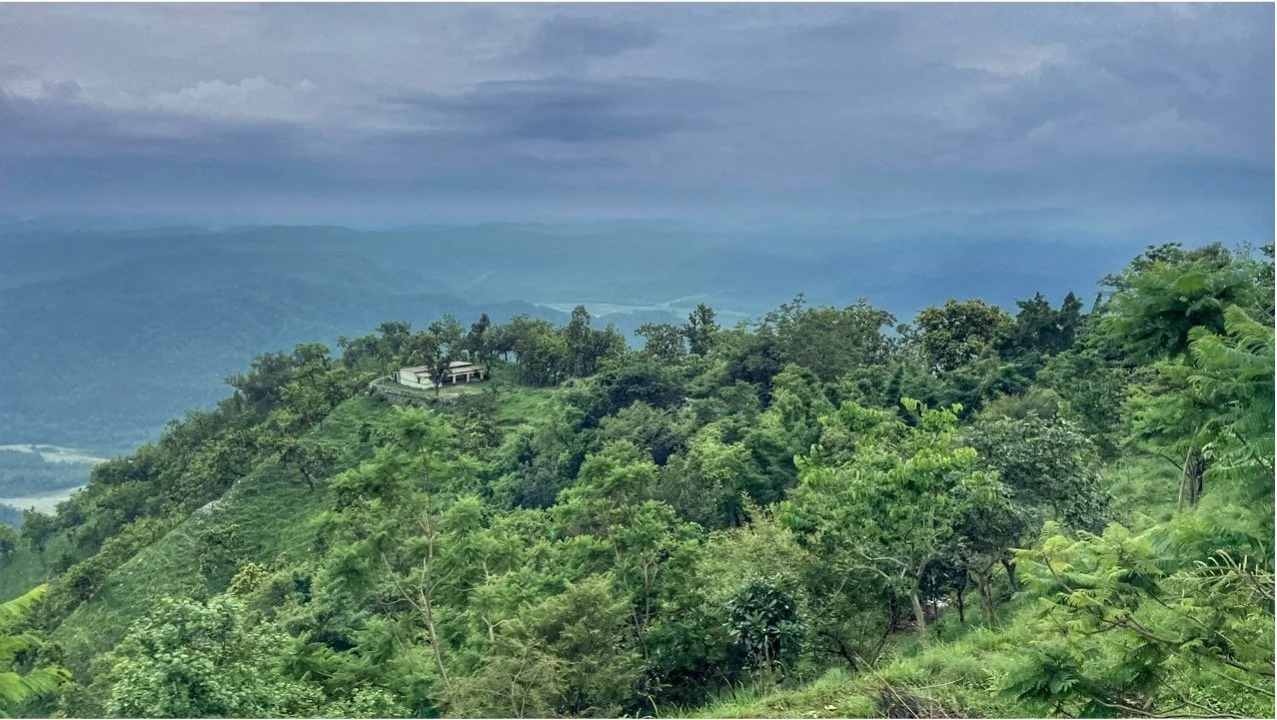
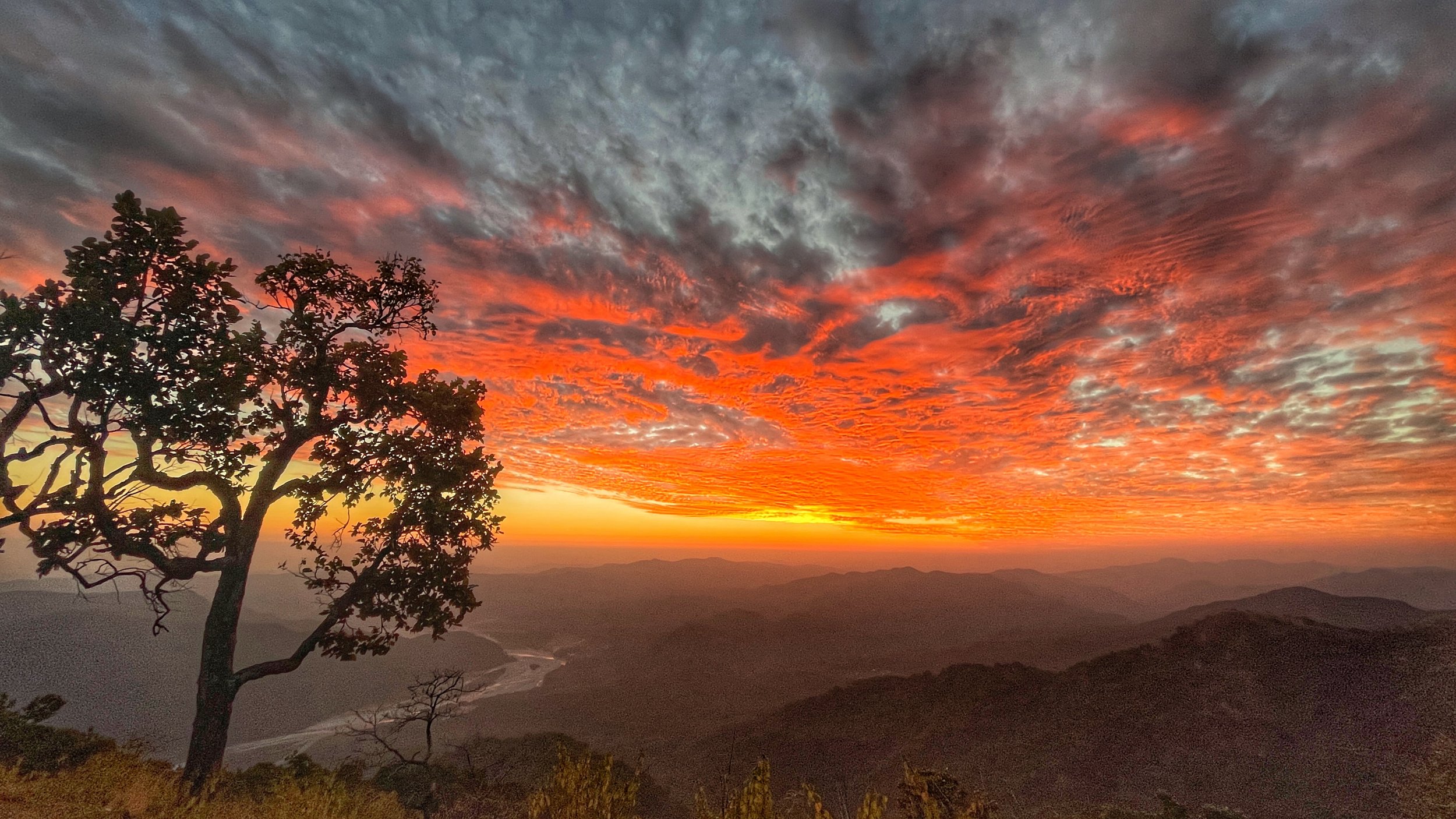
Tanhau
A Boutique Wildlife Retreat Experience in Uttarakhand, India
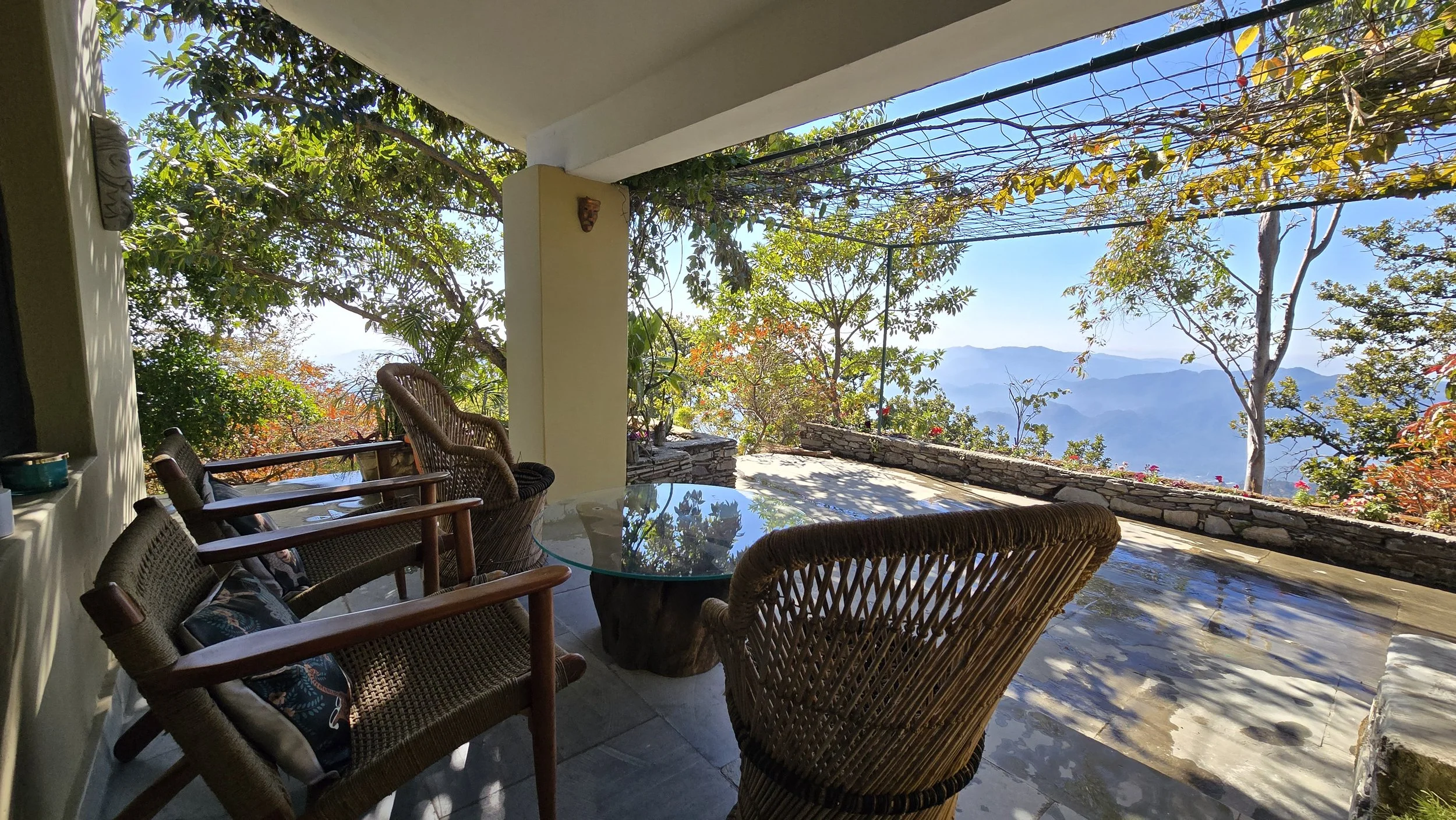
Tanhau is a small forest retreat located in the greater Corbett landscape of Uttarakhand, India. Rather than functioning as a conventional resort, it focuses on:
Limited cottages
Immersive wildlife experiences
Birdlife rich forest surroundings
Spectacular Himalayan & forest views
Quiet, low impact hospitality
Guests often combine slower exploration of the surrounding forests, along with a few safari drives inside Jim Corbett National Park.
For international visitors exploring boutique wildlife retreats in India, the emphasis here is on:
Space & Silence
Sustainability & focus on wildlife conservation
Personal attention
Landscape immersion
For travellers looking for a quieter forest stay near Jim Corbett, small nature retreats like Tanhau offer a very different experience from the larger resorts around Ramnagar.
Frequently Asked Questions
Is Uttarakhand good for international safari travellers?
Yes. The Corbett region is one of India’s most established wildlife landscapes, with reliable access, strong conservation history, and diverse ecosystems. Jim Corbett National Park is India’s premier national park & home to the world’s largest population of wild tigers.
How does this compare to central India tiger reserves?
Central India offers higher chances of tiger sightings in some parks, while Uttarakhand offers stunning landscapes, Himalayan backdrop, exceptional birdlife and much higher boidiversity.
How many nights are ideal?
For international travellers, at least 4 nights allows:
2–4 safari drives
1–2 guided forest walks
Time to relax within the landscape
Final Thoughts
For travellers searching globally for a boutique wildlife lodge in India, the experience is shaped by scale, landscape, and philosophy.
If you are seeking:
A quieter safari base
Personalised hosting
Immersive forest experiences
Himalayan foothill setting
You may wish to:
Explore the accommodation at Tanhau
Discover our guided walking safaris
Read about Jim Corbett National Park
•